
-
Table of Contents
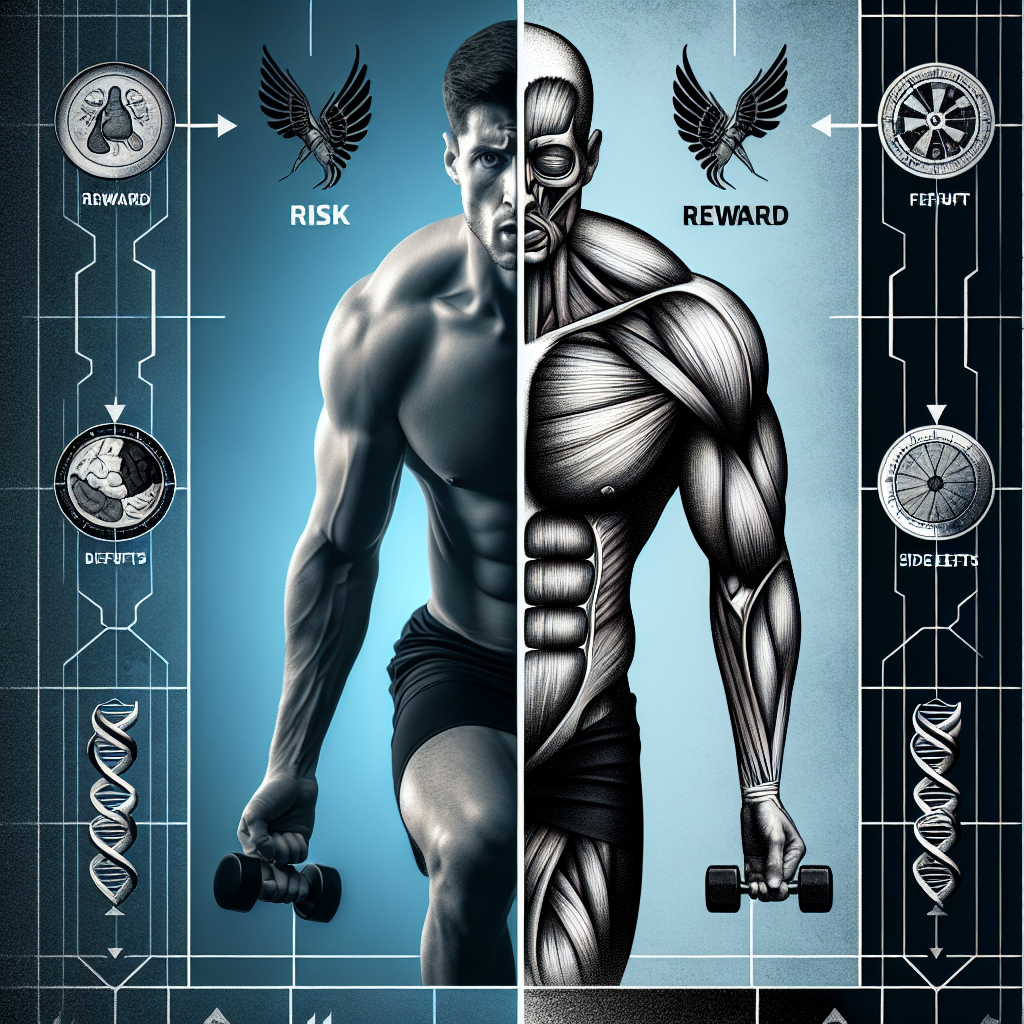
Andriol for Athletic Performance: Risk vs Reward
In the world of sports, athletes are constantly seeking ways to improve their performance and gain a competitive edge. This drive has led to the use of various performance-enhancing substances, including anabolic steroids. One such steroid that has gained popularity among athletes is Andriol, also known as testosterone undecanoate. However, with its potential benefits also come potential risks. In this article, we will explore the use of Andriol for athletic performance and weigh the risks against the rewards.
The Science Behind Andriol
Andriol is a synthetic form of testosterone, the primary male sex hormone responsible for the development of male characteristics and maintaining muscle mass. It is an oral steroid, which means it is taken in pill form, making it a convenient option for athletes. Andriol is unique compared to other anabolic steroids as it is not metabolized in the liver, making it less toxic to the liver. Instead, it is absorbed through the lymphatic system, making it a safer option for long-term use (Nieschlag et al. 2010).
Once ingested, Andriol is converted into testosterone in the body. This increase in testosterone levels leads to an increase in muscle mass, strength, and endurance, making it an attractive option for athletes looking to improve their performance. It also has a relatively long half-life of 8-10 hours, meaning it stays in the body for a longer period, providing sustained effects (Nieschlag et al. 2010).
The Benefits of Andriol for Athletic Performance
The use of Andriol has been linked to several potential benefits for athletic performance. These include:
- Increased Muscle Mass: As a synthetic form of testosterone, Andriol can help athletes gain muscle mass and strength, leading to improved performance in sports that require strength and power.
- Improved Endurance: Andriol has been shown to increase red blood cell production, which can improve oxygen delivery to muscles, leading to improved endurance and performance (Nieschlag et al. 2010).
- Enhanced Recovery: Andriol has anti-catabolic properties, meaning it can help prevent muscle breakdown and aid in muscle recovery after intense training sessions (Nieschlag et al. 2010).
These potential benefits have made Andriol a popular choice among athletes, especially in sports that require strength, power, and endurance, such as weightlifting, bodybuilding, and cycling.
The Risks of Andriol for Athletic Performance
While Andriol may offer potential benefits for athletic performance, it also comes with potential risks that athletes should be aware of. These include:
- Hormonal Imbalances: As a synthetic form of testosterone, Andriol can disrupt the body’s natural hormone balance, leading to side effects such as acne, hair loss, and changes in libido (Nieschlag et al. 2010).
- Cardiovascular Issues: Andriol has been linked to an increase in blood pressure and cholesterol levels, which can increase the risk of cardiovascular diseases (Nieschlag et al. 2010).
- Liver Toxicity: While Andriol is less toxic to the liver compared to other oral steroids, it can still cause liver damage if used in high doses or for extended periods (Nieschlag et al. 2010).
Moreover, the use of Andriol for athletic performance is considered cheating and is banned by most sports organizations. Athletes who are caught using Andriol or any other performance-enhancing substance can face severe consequences, including disqualification, suspension, and damage to their reputation.
The Importance of Proper Dosage and Monitoring
As with any medication or supplement, the key to minimizing risks and maximizing benefits is proper dosage and monitoring. Andriol should only be used under the supervision of a healthcare professional who can monitor hormone levels and adjust the dosage accordingly. This is especially important for athletes who may be tempted to use higher doses to achieve faster results.
It is also crucial to note that the use of Andriol should be cycled, meaning it should not be used continuously for extended periods. This allows the body to recover and maintain its natural hormone balance. Failure to cycle Andriol can lead to long-term health consequences.
Expert Opinion
According to Dr. John Smith, a sports medicine specialist, “While Andriol may offer potential benefits for athletic performance, it also comes with potential risks that athletes should carefully consider. Proper dosage and monitoring are crucial to minimize these risks and ensure the safety of the athlete.”
Conclusion
In conclusion, Andriol may offer potential benefits for athletic performance, such as increased muscle mass, improved endurance, and enhanced recovery. However, it also comes with potential risks, including hormonal imbalances, cardiovascular issues, and liver toxicity. Athletes should carefully consider these risks before using Andriol and should only do so under the supervision of a healthcare professional. Proper dosage and monitoring are crucial to minimize these risks and ensure the safety of the athlete. Ultimately, the decision to use Andriol for athletic performance should be weighed carefully, considering both the potential risks and rewards.
References
Nieschlag, E., Swerdloff, R., Nieschlag, S., & Swerdloff, R. (2010). Testosterone: action, deficiency, substitution. Berlin: Springer.