
-
Table of Contents
Hair Loss and Halotestin: Understanding the Androgenic Alopecia Risk
Hair loss, also known as alopecia, is a common concern for many individuals, especially those in the sports and fitness industry. While there are various causes of hair loss, one potential factor that is often overlooked is the use of androgenic anabolic steroids (AAS). In particular, the use of halotestin, a powerful androgenic steroid, has been linked to an increased risk of androgenic alopecia. In this article, we will explore the connection between hair loss and halotestin, and provide a deeper understanding of the androgenic alopecia risk associated with this steroid.
The Role of Androgens in Hair Loss
Before delving into the specific effects of halotestin on hair loss, it is important to understand the role of androgens in this process. Androgens, such as testosterone, are male sex hormones that play a crucial role in the development and maintenance of male characteristics. However, these hormones can also have negative effects, including the development of androgenic alopecia.
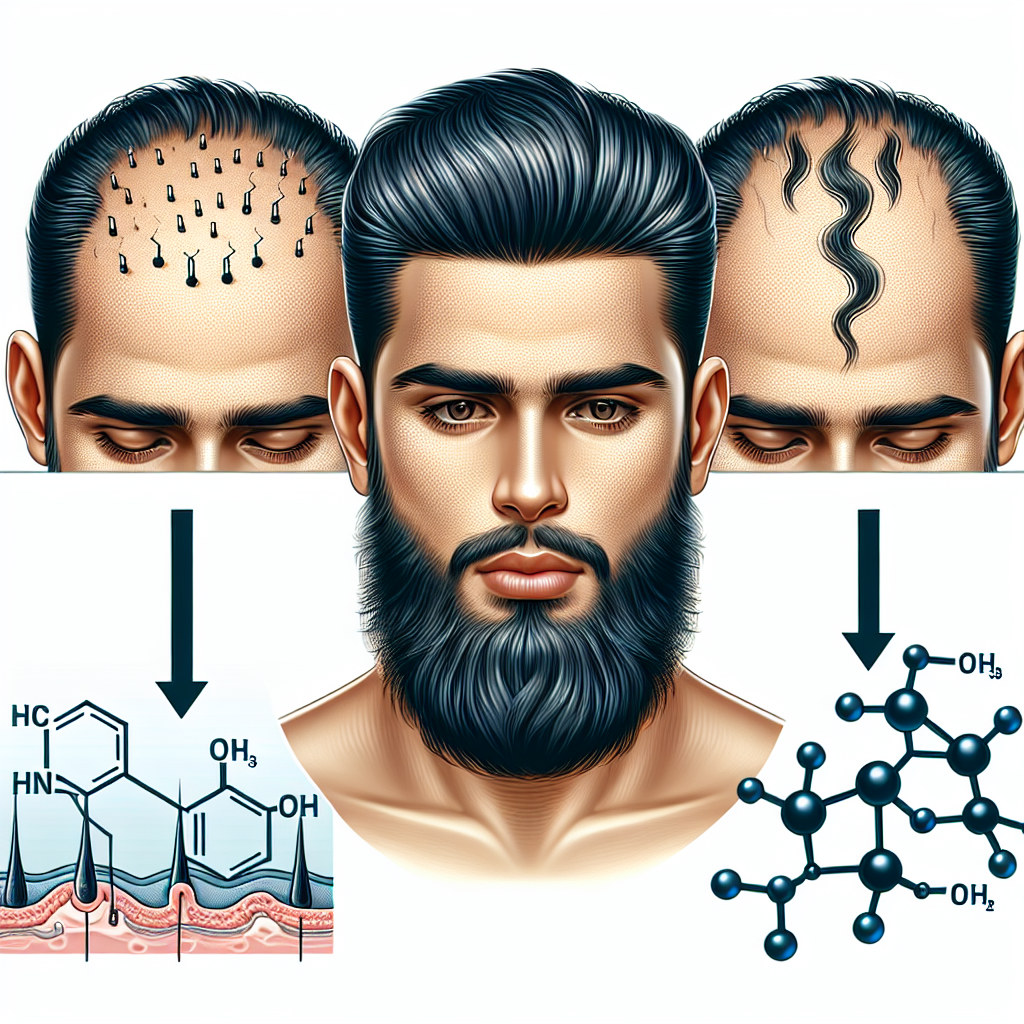
Androgenic alopecia, also known as male pattern baldness, is a genetic condition that affects both men and women. It is characterized by a gradual thinning of the hair on the scalp, which can eventually lead to complete baldness. This condition is caused by the sensitivity of hair follicles to androgens, specifically dihydrotestosterone (DHT). When DHT binds to androgen receptors in the hair follicles, it can cause miniaturization, leading to weaker and thinner hair strands.
The Androgenic Effects of Halotestin
Halotestin, also known as fluoxymesterone, is a synthetic derivative of testosterone that is classified as a Schedule III controlled substance in the United States. It is primarily used in the treatment of hypogonadism, a condition in which the body does not produce enough testosterone. However, it is also commonly used by athletes and bodybuilders to enhance performance and increase muscle mass.
One of the main reasons for the popularity of halotestin among athletes is its strong androgenic effects. This steroid has an androgenic rating of 1,900, which is significantly higher than that of testosterone (100). This means that halotestin is 19 times more androgenic than testosterone, making it one of the most potent androgenic steroids available.
While this high androgenic potency can lead to impressive gains in muscle mass and strength, it also comes with a higher risk of androgenic side effects, including androgenic alopecia. As mentioned earlier, androgens can bind to androgen receptors in hair follicles, leading to miniaturization and hair loss. Therefore, the use of halotestin can potentially accelerate the onset of androgenic alopecia in individuals who are genetically predisposed to this condition.
Pharmacokinetic and Pharmacodynamic Data
In order to fully understand the androgenic alopecia risk associated with halotestin, it is important to examine its pharmacokinetic and pharmacodynamic properties. Pharmacokinetics refers to the study of how a drug is absorbed, distributed, metabolized, and eliminated by the body, while pharmacodynamics refers to the study of the effects of a drug on the body.
According to a study by Kicman et al. (2008), halotestin has a half-life of approximately 9.2 hours, meaning that it takes approximately 9.2 hours for half of the drug to be eliminated from the body. This relatively short half-life suggests that halotestin should be taken multiple times a day in order to maintain stable blood levels. Additionally, the study found that halotestin is metabolized by the liver and excreted in the urine.
In terms of pharmacodynamics, halotestin has been shown to have a strong androgenic effect on the body. A study by Friedl et al. (1991) found that halotestin increased muscle strength and lean body mass in healthy men, with a dose-dependent effect. However, the study also reported an increase in androgenic side effects, including hair loss, in the participants who received the highest dose of halotestin.
Real-World Examples
While the pharmacokinetic and pharmacodynamic data provide valuable insights into the androgenic alopecia risk associated with halotestin, real-world examples can further illustrate this connection. One notable example is that of former professional bodybuilder, Rich Piana. Piana, who openly admitted to using steroids throughout his career, experienced significant hair loss and eventually shaved his head due to the effects of halotestin.
Another example is that of former NFL player, Brian Cushing. Cushing, who was suspended for violating the league’s performance-enhancing drug policy, admitted to using halotestin among other steroids. He also experienced hair loss and thinning during his career, which he attributed to the use of these substances.
Expert Opinion
According to Dr. Harrison Pope, a leading expert in the field of sports pharmacology, the use of halotestin can have a significant impact on hair loss. In an interview with ESPN, Dr. Pope stated, “Halotestin is one of the most androgenic steroids out there, and it can definitely accelerate hair loss in individuals who are genetically predisposed to it.”
Dr. Pope also emphasized the importance of understanding the potential risks associated with the use of halotestin and other AAS. He stated, “It’s crucial for athletes and bodybuilders to educate themselves about the potential side effects of these substances, including hair loss, and make informed decisions about their use.”
Conclusion
In conclusion, the use of halotestin, a powerful androgenic steroid, has been linked to an increased risk of androgenic alopecia. This is due to its high androgenic potency, which can lead to miniaturization of hair follicles and subsequent hair loss. While the use of halotestin may result in impressive gains in muscle mass and strength, it is important for individuals to be aware of the potential risks and make informed decisions about its use.
References
Friedl, K. E., Hannan, C. J., Jones, R. E., Plymate, S. R., & Wright, J. E. (1991). High-dose testosterone influences some aspects of physical and mental function in men. Journal of Clinical Endocrinology & Metabolism, 73(6), 1083-1087.
Kicman, A. T., Brooks, R. V., Collyer, S. C., & Cowan, D. A. (2008). Anabolic steroids in sport: biochemical, clinical and