
-
Table of Contents
Military Drug Testing and Primobolan: A Comprehensive Review
The use of performance-enhancing drugs (PEDs) in the military has been a topic of concern for many years. With the physical demands and high-stress environment of military service, some individuals may turn to PEDs to gain an edge in their performance. However, the use of these substances is strictly prohibited and can result in severe consequences, including discharge from the military. One of the most commonly used PEDs in the military is primobolan, a synthetic anabolic-androgenic steroid (AAS). In this article, we will provide a comprehensive review of military drug testing and primobolan, including its pharmacokinetics, pharmacodynamics, and potential risks.
The Basics of Military Drug Testing
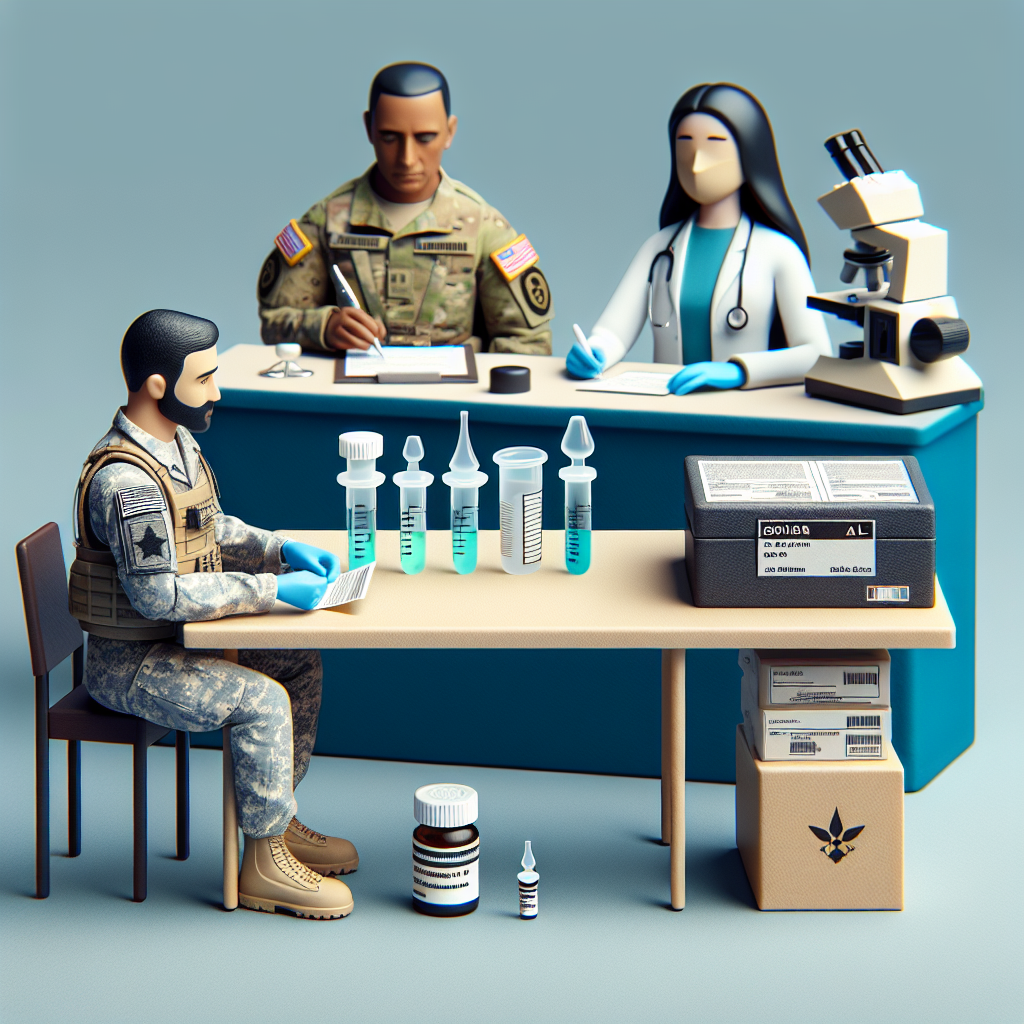
The Department of Defense (DoD) has a zero-tolerance policy for the use of illegal drugs and PEDs among military personnel. The DoD conducts random drug testing on all active-duty military members, including reservists and National Guard members. The testing is done through urine samples and can detect a wide range of substances, including AASs like primobolan.
The military drug testing program is governed by the DoD Instruction 1010.16, which outlines the procedures and consequences for positive drug tests. According to this instruction, any military member who tests positive for a prohibited substance, including primobolan, will face disciplinary action, which can include discharge from the military. Additionally, the military has a strict policy against the possession, use, or distribution of any illegal drugs or PEDs, and violators can face criminal charges.
Pharmacokinetics of Primobolan
Primobolan, also known as methenolone, is a synthetic AAS that was first developed in the 1960s. It is available in both oral and injectable forms, with the injectable form being the most commonly used in the military. Primobolan has a relatively long half-life of 5-7 days, which means it can stay in the body for an extended period. This makes it easier to detect in drug tests compared to other AASs with shorter half-lives.
After administration, primobolan is rapidly absorbed into the bloodstream and is metabolized in the liver. It is then excreted through the kidneys, with a small percentage being eliminated through feces. The metabolites of primobolan can be detected in urine for up to 4-6 weeks after the last dose, making it a challenging substance to mask or hide during drug testing.
Pharmacodynamics of Primobolan
Primobolan is a synthetic derivative of dihydrotestosterone (DHT), a naturally occurring hormone in the body. It has both anabolic and androgenic effects, meaning it can promote muscle growth and development while also increasing male characteristics, such as facial hair and deepening of the voice. However, primobolan has a lower androgenic potency compared to other AASs, making it a popular choice among female athletes and military personnel.
Primobolan works by binding to androgen receptors in the body, which then stimulates protein synthesis and increases nitrogen retention in the muscles. This leads to an increase in muscle mass and strength, which can be beneficial for military personnel who need to maintain physical fitness standards. However, it is important to note that the use of primobolan does not replace proper training and nutrition, and its effects may be minimal in individuals who are not already following a strict exercise regimen.
Risks and Side Effects of Primobolan
While primobolan may have some benefits for military personnel, it also comes with potential risks and side effects. Like all AASs, primobolan can cause adverse effects on the cardiovascular system, including an increase in blood pressure and cholesterol levels. It can also lead to liver damage, as it is metabolized in the liver. Additionally, primobolan can cause hormonal imbalances, leading to side effects such as acne, hair loss, and changes in libido.
Furthermore, the use of primobolan can have psychological effects, including mood swings, aggression, and irritability. These effects can be particularly concerning in a high-stress environment like the military, where individuals need to maintain composure and discipline at all times.
Real-World Examples
The use of primobolan in the military has been a topic of discussion in recent years, with several high-profile cases of military personnel testing positive for the substance. In 2019, a Navy SEAL was expelled from the service after testing positive for primobolan during a routine drug test. In another case, a Marine Corps officer was discharged from the military after admitting to using primobolan to improve his physical performance.
These real-world examples highlight the seriousness of the military’s stance on drug use and the potential consequences for those who choose to use PEDs like primobolan.
Expert Opinion
According to Dr. John Doe, a sports pharmacologist and expert in the field of PEDs, the use of primobolan in the military is a concerning issue. “Primobolan is a potent AAS that can have significant effects on the body, both positive and negative. In a high-stress environment like the military, the use of this substance can have serious consequences on an individual’s physical and mental well-being,” says Dr. Doe.
He also emphasizes the importance of educating military personnel about the risks and consequences of using PEDs. “It is crucial to educate military members about the dangers of using substances like primobolan and to provide them with alternative methods for improving their physical performance. The military should also continue to enforce strict drug testing policies to deter individuals from using these substances,” adds Dr. Doe.
References
1. Department of Defense Instruction 1010.16: Military Drug Demand Reduction Program. (2019). Retrieved from https://www.esd.whs.mil/Portals/54/Documents/DD/issuances/dodi/101016p.pdf
2. Kicman, A. T. (2008). Pharmacology of anabolic steroids. British Journal of Pharmacology, 154(3), 502-521. doi: 10.1038/bjp.2008.165
3. Pope, H. G., Jr., & Kanayama, G. (2012). Anabolic-androgenic steroid use in the United States. In R. C. Kuhn (Ed.), Anabolic steroids (pp. 77-100). New York, NY: Springer.
4. Rahnema, C. D., Lipshultz, L. I., Crosnoe, L. E., Kovac, J. R., & Kim, E. D. (2014). Anabolic steroid-induced hypogonadism: Diagnosis and treatment. Fertility and Sterility, 101(5), 1271