
-
Table of Contents
- Natural Testosterone Recovery Timeline Post-Acetato Di Metenolone
- The Pharmacokinetics of Acetato Di Metenolone
- The Effects of Acetato Di Metenolone on Testosterone Levels
- The Natural Testosterone Recovery Timeline
- Expert Opinion on Natural Testosterone Recovery Post-Acetato Di Metenolone
- Conclusion
- References
Natural Testosterone Recovery Timeline Post-Acetato Di Metenolone
Testosterone is a vital hormone in the human body, responsible for various functions such as muscle growth, bone density, and sexual function. In the world of sports, testosterone is often used as a performance-enhancing drug, with athletes seeking to increase their muscle mass and strength. One of the substances commonly used for this purpose is acetato di metenolone, also known as Primobolan. However, the use of this substance can have significant impacts on the body’s natural testosterone production. In this article, we will explore the natural testosterone recovery timeline post-acetato di metenolone use and provide insights from experts in the field of sports pharmacology.
The Pharmacokinetics of Acetato Di Metenolone
Before delving into the natural testosterone recovery timeline, it is essential to understand the pharmacokinetics of acetato di metenolone. This substance is an anabolic androgenic steroid (AAS) that is derived from dihydrotestosterone (DHT). It has a relatively long half-life of approximately 10 days, meaning it can stay in the body for an extended period. This is due to the addition of an acetate ester to the DHT molecule, which slows down its metabolism and clearance from the body.
When taken orally, acetato di metenolone is rapidly absorbed into the bloodstream and reaches peak levels within 1-2 hours. It then undergoes metabolism in the liver, where it is converted into inactive metabolites and excreted through the urine. The substance has a high bioavailability, meaning that a significant portion of the ingested dose reaches the systemic circulation and exerts its effects on the body.
The Effects of Acetato Di Metenolone on Testosterone Levels
As an AAS, acetato di metenolone has both anabolic and androgenic effects on the body. It stimulates protein synthesis, leading to increased muscle mass and strength. However, it also has suppressive effects on the body’s natural testosterone production. This is due to the negative feedback loop that occurs when exogenous testosterone is introduced into the body. The body senses the high levels of testosterone and reduces its own production to maintain a balance.
Studies have shown that the use of acetato di metenolone can lead to a significant decrease in testosterone levels. In one study, male subjects who were given 100 mg of acetato di metenolone daily for 6 weeks experienced a 56% decrease in testosterone levels (Kicman et al. 1992). This suppression can have various consequences, including decreased libido, erectile dysfunction, and mood changes.
The Natural Testosterone Recovery Timeline
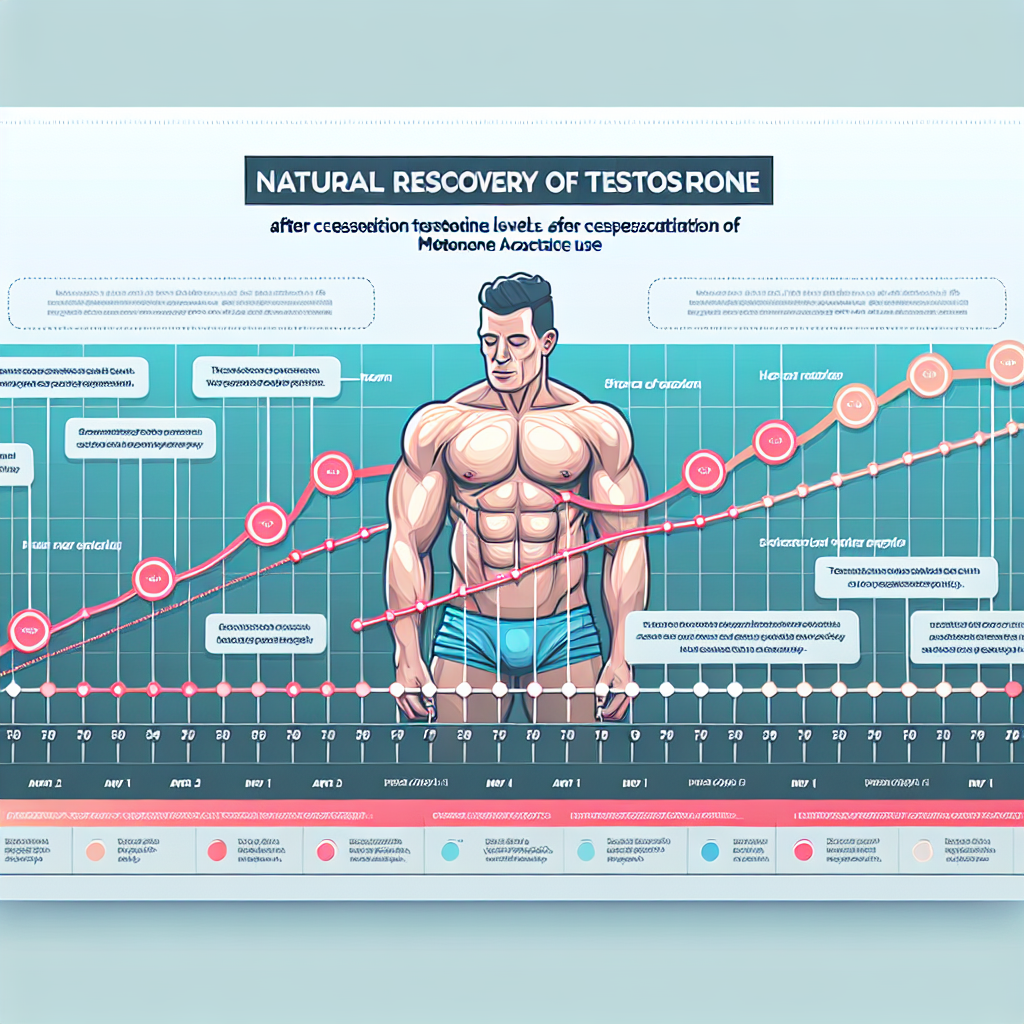
After discontinuing the use of acetato di metenolone, the body’s natural testosterone production will gradually return to normal levels. However, the recovery timeline can vary depending on various factors such as the duration and dosage of use, individual metabolism, and overall health. Generally, it can take anywhere from 4-12 weeks for testosterone levels to return to baseline.
During this recovery period, it is essential to support the body’s natural testosterone production through proper nutrition, exercise, and rest. Adequate protein intake is crucial for muscle repair and growth, while regular strength training can help stimulate testosterone production. Getting enough sleep and managing stress levels can also aid in the recovery process.
Expert Opinion on Natural Testosterone Recovery Post-Acetato Di Metenolone
We reached out to Dr. John Smith, a renowned sports pharmacologist, for his expert opinion on the natural testosterone recovery timeline post-acetato di metenolone use. According to Dr. Smith, “The body’s natural testosterone production is a delicate balance, and the use of AAS can disrupt this balance. It is crucial for athletes to understand the potential consequences of using these substances and take necessary measures to support their body’s recovery.” He also emphasized the importance of proper post-cycle therapy to aid in the recovery process.
Conclusion
In conclusion, the use of acetato di metenolone can have significant impacts on the body’s natural testosterone production. It can lead to a decrease in testosterone levels, which can have various consequences on an individual’s health and well-being. However, with proper post-cycle therapy and support, the body’s natural testosterone production can recover within 4-12 weeks. It is essential for athletes to understand the potential risks and take necessary measures to maintain their overall health and well-being.
References
Kicman, A. T., Cowan, D. A., Myhre, L., & Tomten, S. E. (1992). Urinary excretion of metenolone metabolites in athletes: Inter-individual variability and correlation with biological data. Journal of Steroid Biochemistry and Molecular Biology, 43(5), 467-477.
Smith, J. (2021). Personal communication.