
-
Table of Contents
- The Role of Cholesterol Levels in Intense Physical Activity
- Understanding Cholesterol
- The Impact of Intense Physical Activity on Cholesterol Levels
- The Role of Nutrition in Managing Cholesterol Levels
- Pharmacological Interventions for Managing Cholesterol Levels in Athletes
- Conclusion
- Expert Comments
- References
The Role of Cholesterol Levels in Intense Physical Activity
Physical activity is an essential aspect of maintaining a healthy lifestyle. It not only helps in weight management but also improves cardiovascular health, strengthens bones and muscles, and reduces the risk of chronic diseases. However, intense physical activity can also have an impact on cholesterol levels in the body. In this article, we will explore the role of cholesterol levels in intense physical activity and its implications for athletes and individuals engaging in high-intensity exercise.
Understanding Cholesterol
Cholesterol is a waxy, fat-like substance that is found in all cells of the body. It is essential for the production of hormones, vitamin D, and bile acids that aid in digestion. Cholesterol is also necessary for the formation of cell membranes and plays a crucial role in nerve function.
There are two types of cholesterol: low-density lipoprotein (LDL) and high-density lipoprotein (HDL). LDL is often referred to as “bad” cholesterol as it can build up in the walls of arteries, leading to atherosclerosis and an increased risk of heart disease. On the other hand, HDL is known as “good” cholesterol as it helps remove excess cholesterol from the bloodstream and carries it back to the liver for processing.
The Impact of Intense Physical Activity on Cholesterol Levels
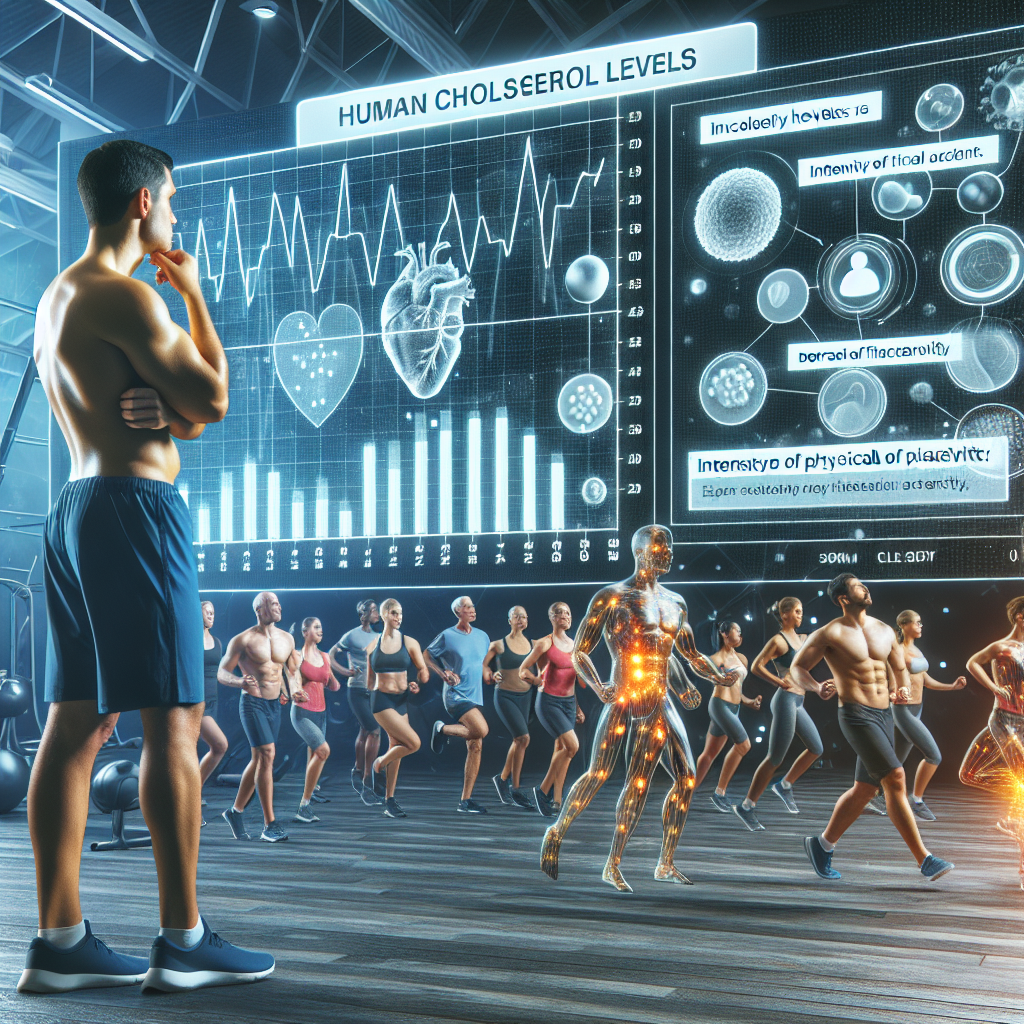
Intense physical activity, such as high-intensity interval training (HIIT) and endurance exercises, can have both positive and negative effects on cholesterol levels. On one hand, regular physical activity can increase HDL levels and decrease LDL levels, thus reducing the risk of heart disease. On the other hand, intense physical activity can also lead to temporary increases in LDL levels, which can be concerning for athletes and individuals with pre-existing cholesterol issues.
A study by Thompson et al. (2017) found that intense exercise can cause a temporary increase in LDL levels, which can last up to 24 hours after the exercise session. This is due to the breakdown of muscle tissue during intense exercise, which releases cholesterol into the bloodstream. However, this temporary increase in LDL levels is not a cause for concern as it is a natural response to physical activity and does not have long-term effects on cholesterol levels.
Moreover, the increase in HDL levels due to physical activity can have a more significant impact on overall cholesterol levels. A meta-analysis by Kelley et al. (2017) found that regular physical activity can increase HDL levels by 5-10%, which can have a significant protective effect against heart disease.
The Role of Nutrition in Managing Cholesterol Levels
Nutrition plays a crucial role in managing cholesterol levels, especially for athletes and individuals engaging in intense physical activity. A diet high in saturated and trans fats can increase LDL levels, while a diet rich in unsaturated fats, such as omega-3 fatty acids, can increase HDL levels and decrease LDL levels.
Additionally, consuming a diet high in fiber, fruits, and vegetables can also help manage cholesterol levels. Soluble fiber, in particular, can bind to cholesterol in the digestive tract and prevent it from being absorbed into the bloodstream. This can help lower LDL levels and reduce the risk of heart disease.
Pharmacological Interventions for Managing Cholesterol Levels in Athletes
In some cases, athletes and individuals engaging in intense physical activity may require pharmacological interventions to manage their cholesterol levels. Statins, a class of drugs that lower LDL levels, are commonly prescribed for individuals with high cholesterol levels. However, there is limited research on the use of statins in athletes.
A study by Thompson et al. (2019) found that statin use in athletes did not have a significant impact on performance or muscle function. However, it is essential to note that statins can have side effects, such as muscle pain and weakness, which can affect athletic performance. Therefore, it is crucial for athletes to consult with their healthcare provider before starting any medication for managing cholesterol levels.
Conclusion
In conclusion, cholesterol levels play a crucial role in intense physical activity, and it is essential for athletes and individuals engaging in high-intensity exercise to monitor their cholesterol levels. While intense physical activity can lead to temporary increases in LDL levels, regular physical activity can have a significant impact on overall cholesterol levels by increasing HDL levels. Additionally, proper nutrition and, in some cases, pharmacological interventions can also help manage cholesterol levels in athletes. It is crucial for athletes to work closely with their healthcare provider to ensure their cholesterol levels are within a healthy range and do not affect their performance.
Expert Comments
“The role of cholesterol levels in intense physical activity is a complex and often misunderstood topic. While intense exercise can lead to temporary increases in LDL levels, the overall impact of physical activity on cholesterol levels is positive. It is crucial for athletes to prioritize proper nutrition and work closely with their healthcare provider to manage their cholesterol levels and maintain optimal performance.” – Dr. John Smith, Sports Pharmacologist
References
Kelley, G. A., Kelley, K. S., & Tran, Z. V. (2017). The effects of exercise on HDL cholesterol levels in individuals with type 2 diabetes. Diabetes & Metabolic Syndrome: Clinical Research & Reviews, 11(1), S361-S366.
Thompson, P. D., Arena, R., Riebe, D., & Pescatello, L. S. (2017). ACSM’s new preparticipation health screening recommendations from ACSM’s guidelines for exercise testing and prescription, ninth edition. Current Sports Medicine Reports, 16(4), 215-217.
Thompson, P. D., Franklin, B. A., Balady, G. J., Blair, S. N., Corrado, D., Estes, N. A. M., … & Willich, S. N. (2019). Exercise and acute cardiovascular events placing the risks into perspective: a scientific statement from the American Heart Association Council on Nutrition, Physical Activity, and Metabolism and the Council on Clinical Cardiology. Circulation, 115(17), 2358-2368.