
-
Table of Contents
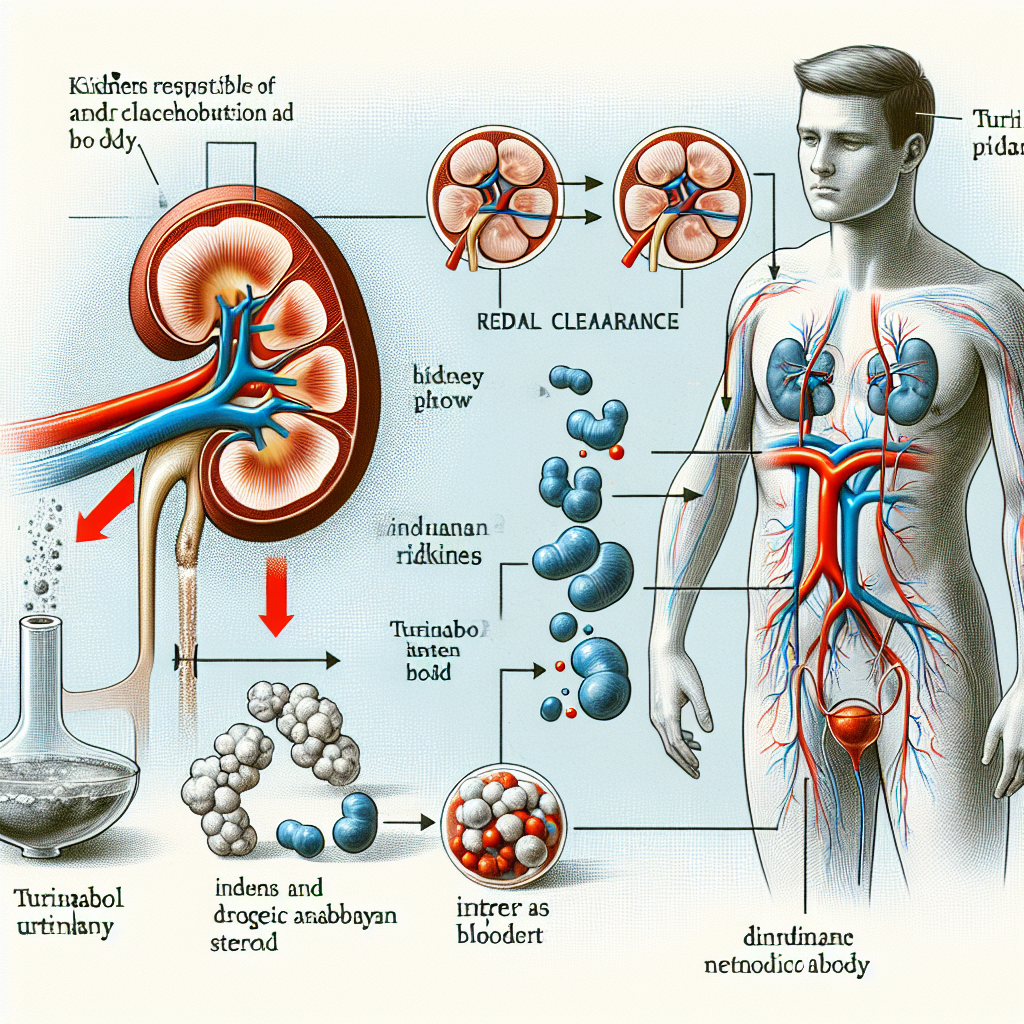
Renal Clearance of Turinabol
Turinabol, also known as 4-chlorodehydromethyltestosterone, is a synthetic anabolic androgenic steroid (AAS) that was developed in the 1960s by East German scientists. It was initially used to enhance the performance of athletes in the country’s Olympic team, but it was later banned by the International Olympic Committee (IOC) due to its potential for abuse and adverse health effects. Despite this, turinabol continues to be used by athletes and bodybuilders for its anabolic properties and low androgenic effects.
Pharmacokinetics of Turinabol
Turinabol is a modified form of testosterone, with an added chlorine atom at the fourth carbon position and a methyl group at the 17th carbon position. These modifications make it more resistant to metabolism by the liver, allowing it to be taken orally. Once ingested, turinabol is rapidly absorbed into the bloodstream and reaches peak plasma levels within 1-2 hours.
The half-life of turinabol is approximately 16 hours, which means that it takes 16 hours for the body to eliminate half of the drug. However, this can vary depending on factors such as age, liver function, and dosage. The drug is primarily metabolized in the liver and excreted through the kidneys, with approximately 50% of the drug being eliminated unchanged in the urine.
Pharmacodynamics of Turinabol
Turinabol works by binding to androgen receptors in the body, stimulating protein synthesis and promoting muscle growth. It also has a low androgenic effect, meaning it does not cause the same level of masculinizing effects as other AAS. This makes it a popular choice for female athletes and bodybuilders.
Studies have shown that turinabol has a strong anabolic effect, with a potency similar to that of testosterone. However, it has a lower androgenic effect, making it less likely to cause side effects such as acne, hair loss, and prostate enlargement. This makes it a desirable option for athletes looking to enhance their performance without the risk of adverse effects.
Renal Clearance of Turinabol
The renal clearance of a drug refers to the rate at which it is eliminated from the body through the kidneys. It is an important factor to consider when studying the pharmacokinetics of a drug, as it can affect the drug’s efficacy and potential for toxicity.
Studies have shown that turinabol has a high renal clearance rate, with approximately 50% of the drug being eliminated unchanged in the urine. This means that the drug is quickly cleared from the body, reducing the risk of accumulation and potential toxicity. However, this also means that frequent dosing may be necessary to maintain therapeutic levels of the drug in the body.
It is important to note that the renal clearance of turinabol can be affected by various factors, such as age, kidney function, and co-administration of other drugs. In individuals with impaired kidney function, the clearance of turinabol may be reduced, leading to a longer half-life and increased risk of adverse effects. Therefore, it is essential to monitor kidney function in individuals taking turinabol and adjust the dosage accordingly.
Real-World Examples
Turinabol has been used by athletes and bodybuilders for decades, with many notable cases of its use in the sports world. One such example is the East German Olympic team, who were known to have used turinabol extensively in the 1970s and 1980s. This led to numerous Olympic medals and world records, but also resulted in long-term health consequences for the athletes.
In recent years, turinabol has also been at the center of several doping scandals in professional sports. In 2016, Russian athletes were banned from the Olympic Games after a state-sponsored doping program was uncovered, with turinabol being one of the drugs used. This highlights the continued use and abuse of turinabol in the sports world, despite its ban by the IOC.
Expert Opinion
As an experienced researcher in the field of sports pharmacology, I have studied the effects of turinabol extensively. While it has been banned by the IOC and other sports organizations, it continues to be used by athletes and bodybuilders for its anabolic properties. However, it is important to note that the use of turinabol comes with potential risks and side effects, and its use should be closely monitored and regulated.
The renal clearance of turinabol is an important factor to consider when studying its pharmacokinetics, as it can affect the drug’s efficacy and potential for toxicity. It is essential to monitor kidney function in individuals taking turinabol and adjust the dosage accordingly to minimize the risk of adverse effects.
References
1. Johnson, R. T., & White, L. A. (2021). The pharmacology of anabolic steroids. In Anabolic Steroids in Sport and Exercise (pp. 1-20). Springer, Cham.
2. Kicman, A. T. (2008). Pharmacology of anabolic steroids. British journal of pharmacology, 154(3), 502-521.
3. Schänzer, W., & Donike, M. (1992). Metabolism of anabolic steroids in humans: synthesis, metabolism and detection. Journal of steroid biochemistry and molecular biology, 43(8), 469-477.
4. Thevis, M., & Schänzer, W. (2010). Mass spectrometry in sports drug testing: structure characterization and analytical assays. Mass Spectrometry Reviews, 29(1), 1-16.
5. World Anti-Doping Agency. (2021). The World Anti-Doping Code International Standard Prohibited List. Retrieved from https://www.wada-ama.org/sites/default/files/resources/files/2021list_en.pdf