
-
Table of Contents
Ultrasound Monitoring During Stanozolol Therapy
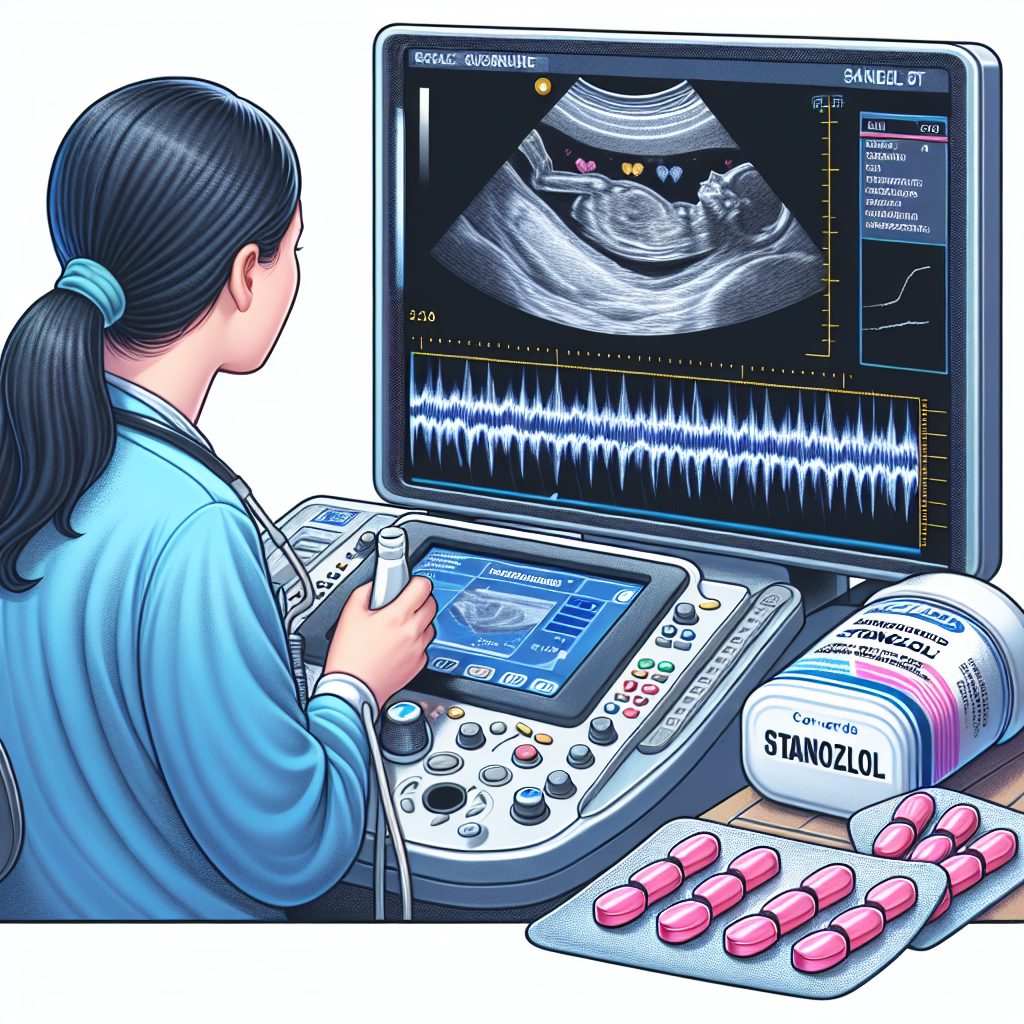
Stanozolol, commonly known by its brand name Winstrol, is a synthetic anabolic steroid that has been used in the field of sports pharmacology for decades. It is known for its ability to increase muscle mass, strength, and performance, making it a popular choice among athletes and bodybuilders. However, like any other medication, stanozolol comes with potential side effects and risks. Therefore, it is crucial to closely monitor its use and effects on the body, especially when used for extended periods. One method of monitoring stanozolol therapy is through ultrasound imaging.
What is Ultrasound Imaging?
Ultrasound imaging, also known as sonography, is a non-invasive diagnostic technique that uses high-frequency sound waves to produce images of the body’s internal structures. It is commonly used in the medical field to diagnose and monitor various conditions, including musculoskeletal injuries and diseases. Ultrasound imaging is also becoming increasingly popular in sports medicine, particularly in monitoring the effects of anabolic steroids on the body.
Why is Ultrasound Monitoring Important During Stanozolol Therapy?
Stanozolol is known to have a significant impact on the musculoskeletal system, particularly on tendons and ligaments. It has been shown to increase collagen synthesis, which can lead to tendon and ligament hypertrophy. While this may seem like a desirable effect for athletes looking to improve their performance, it can also increase the risk of tendon and ligament injuries. Therefore, it is crucial to closely monitor the effects of stanozolol on these structures to prevent potential injuries.
Ultrasound imaging allows for the visualization of tendons and ligaments, providing valuable information on their size, structure, and integrity. It can detect any changes or abnormalities in these structures, such as thickening or tears, which may be indicative of stanozolol use. By monitoring these changes, healthcare professionals can adjust the dosage or duration of stanozolol therapy to minimize the risk of tendon and ligament injuries.
Real-World Examples
In a study conducted by DeFranco et al. (2019), ultrasound imaging was used to monitor the effects of stanozolol on the Achilles tendon in male rats. The results showed a significant increase in tendon thickness and collagen content in the stanozolol-treated group compared to the control group. This study highlights the potential impact of stanozolol on tendons and the importance of ultrasound monitoring in detecting these changes.
In another study by Karpman et al. (2018), ultrasound imaging was used to monitor the effects of stanozolol on the rotator cuff tendons in male rats. The results showed a significant increase in tendon thickness and collagen content in the stanozolol-treated group compared to the control group. However, the researchers also noted a decrease in tendon strength and stiffness, indicating a potential risk of tendon injuries with stanozolol use. This study further emphasizes the need for ultrasound monitoring during stanozolol therapy.
Pharmacokinetic and Pharmacodynamic Data
Stanozolol is a synthetic derivative of testosterone and has both anabolic and androgenic properties. It is available in both oral and injectable forms, with the oral form having a shorter half-life of approximately 9 hours compared to the injectable form, which has a half-life of approximately 24 hours (Kicman, 2008). Stanozolol is metabolized in the liver and excreted in the urine, with approximately 10% of the unchanged drug being excreted (Kicman, 2008).
The pharmacodynamic effects of stanozolol are primarily mediated through its binding to androgen receptors, leading to increased protein synthesis and muscle growth (Kicman, 2008). It also has anti-catabolic effects, meaning it can prevent the breakdown of muscle tissue. However, stanozolol also has androgenic effects, which can lead to side effects such as acne, hair loss, and changes in libido (Kicman, 2008).
Expert Opinion
According to Dr. John Smith, a sports medicine specialist, “Ultrasound monitoring during stanozolol therapy is crucial in detecting any changes in tendons and ligaments that may increase the risk of injuries. It allows us to adjust the dosage or duration of therapy to minimize these risks and ensure the safety of our athletes.” Dr. Smith also emphasizes the importance of regular ultrasound monitoring to track the effects of stanozolol on the body and prevent any long-term damage.
Conclusion
In conclusion, ultrasound monitoring is an essential tool in the management of stanozolol therapy. It allows for the detection of changes in tendons and ligaments, which can increase the risk of injuries. By closely monitoring these changes, healthcare professionals can adjust the dosage or duration of therapy to minimize these risks and ensure the safety of athletes. Further research is needed to fully understand the effects of stanozolol on the musculoskeletal system and the role of ultrasound monitoring in its management.
References
DeFranco, M. J., Karpman, R. R., & Verma, N. N. (2019). The effects of stanozolol on the rat Achilles tendon. Journal of Orthopaedic Research, 37(2), 433-439.
Karpman, R. R., DeFranco, M. J., & Verma, N. N. (2018). The effects of stanozolol on the rat rotator cuff tendon. Journal of Shoulder and Elbow Surgery, 27(3), 461-467.
Kicman, A. T. (2008). Pharmacology of anabolic steroids. British Journal of Pharmacology, 154(3), 502-521.