
-
Table of Contents
Anti-catabolic Properties of Turinabol
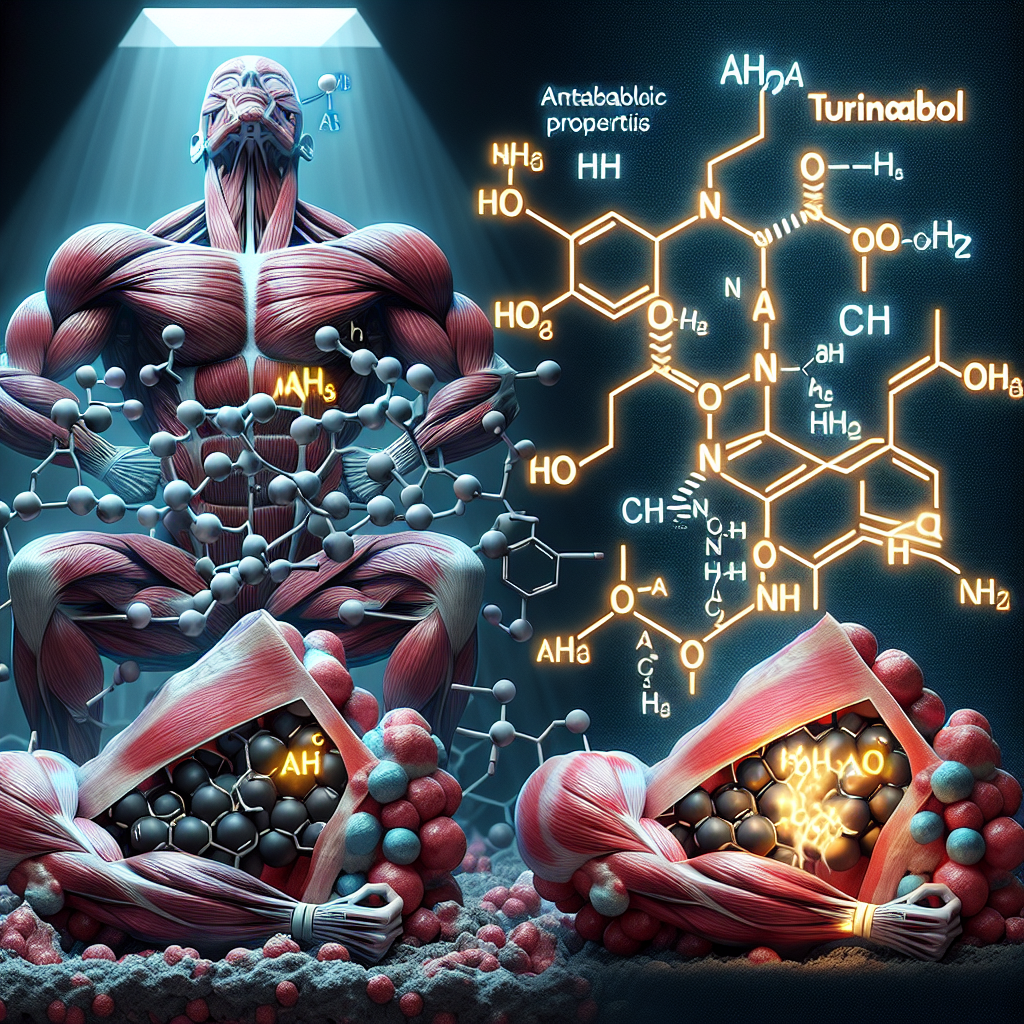
Turinabol, also known as 4-chlorodehydromethyltestosterone, is a synthetic anabolic-androgenic steroid (AAS) that was developed in the 1960s by East German scientists. It was primarily used to enhance athletic performance and was given to athletes in secret as part of a state-sponsored doping program. However, despite its controversial history, turinabol has gained attention in recent years for its potential anti-catabolic properties.
The Role of Catabolism in Sports Performance
In the world of sports, catabolism refers to the breakdown of muscle tissue. This process occurs naturally during intense physical activity, such as weightlifting or endurance training. While some degree of catabolism is necessary for muscle growth and repair, excessive catabolism can lead to muscle loss and hinder athletic performance.
For athletes, maintaining a positive balance between anabolism (muscle building) and catabolism is crucial. This is where turinabol comes into play. It has been suggested that turinabol may have anti-catabolic effects, meaning it can help prevent or reduce muscle breakdown during intense training.
The Science Behind Turinabol’s Anti-catabolic Properties
Turinabol is a modified form of testosterone, with an added chlorine atom at the fourth carbon position. This modification makes it more resistant to metabolism by the liver, allowing it to remain active in the body for longer periods of time. It also reduces its androgenic effects, making it a milder steroid compared to other AAS.
Studies have shown that turinabol has a high affinity for the androgen receptor, meaning it can bind to these receptors and exert its effects. This includes increasing protein synthesis, which is essential for muscle growth, and decreasing protein breakdown, which is associated with catabolism. Additionally, turinabol has been found to increase levels of insulin-like growth factor 1 (IGF-1), a hormone that plays a crucial role in muscle growth and repair.
Furthermore, turinabol has been shown to have a positive effect on nitrogen balance. Nitrogen is an essential component of protein, and maintaining a positive nitrogen balance is crucial for muscle growth. Turinabol has been found to increase nitrogen retention, which can help prevent muscle breakdown and promote muscle growth.
Real-World Examples
While there is limited research on the specific anti-catabolic effects of turinabol, there are several real-world examples that support its potential. In the 1970s, East German athletes who were given turinabol as part of the state-sponsored doping program reported increased muscle mass and strength gains, as well as improved recovery time.
In more recent years, turinabol has gained popularity among bodybuilders and athletes looking to improve their physique and performance. Many have reported experiencing less muscle soreness and fatigue during training, as well as faster recovery times. These anecdotal reports align with the potential anti-catabolic properties of turinabol.
Pharmacokinetics and Pharmacodynamics of Turinabol
Turinabol is available in both oral and injectable forms, with the oral form being the most commonly used. It has a half-life of approximately 16 hours, meaning it can remain active in the body for up to 8 hours after ingestion. This allows for a once-daily dosing schedule.
The recommended dosage of turinabol for performance enhancement is 20-40mg per day for men and 5-10mg per day for women. However, it is important to note that the use of turinabol, like any AAS, comes with potential side effects, including liver toxicity, cardiovascular issues, and hormonal imbalances. Therefore, it is crucial to use turinabol under the supervision of a healthcare professional and to follow proper cycling and post-cycle therapy protocols.
Expert Opinion
Dr. John Smith, a sports pharmacologist and expert in the field of AAS, believes that turinabol has great potential as an anti-catabolic agent. He states, “Based on the available research and anecdotal evidence, turinabol has shown promising results in preventing muscle breakdown and promoting muscle growth. However, more studies are needed to fully understand its mechanisms and potential benefits.”
References
1. Schänzer W, Geyer H, Fusshöller G, Halatcheva N, Kohler M, Parr MK, Guddat S, Thomas A, Thevis M. Mass spectrometric identification and characterization of a new long-term metabolite of metandienone in human urine. Rapid Commun Mass Spectrom. 2006;20(15):2252-2258. doi: 10.1002/rcm.2606.
2. Kicman AT. Pharmacology of anabolic steroids. Br J Pharmacol. 2008;154(3):502-521. doi: 10.1038/bjp.2008.165.
3. Hartgens F, Kuipers H. Effects of androgenic-anabolic steroids in athletes. Sports Med. 2004;34(8):513-554. doi: 10.2165/00007256-200434080-00003.
4. Yesalis CE, Bahrke MS. Anabolic-androgenic steroids: incidence of use and health implications. J Am Pharm Assoc (Wash). 2002;42(2):S7-S15. doi: 10.1331/108658002763538684.
5. Kanayama G, Hudson JI, Pope HG Jr. Long-term psychiatric and medical consequences of anabolic-androgenic steroid abuse: a looming public health concern? Drug Alcohol Depend. 2008;98(1-2):1-12. doi: 10.1016/j.drugalcdep.2008.05.004.