
-
Table of Contents
Trestolone Acetate: Understanding the Mechanism of Action
Trestolone acetate, also known as MENT acetate, is a synthetic androgen and anabolic steroid that has gained popularity in the world of sports pharmacology. It is known for its powerful effects on muscle growth and strength, making it a sought-after substance among athletes and bodybuilders. However, with its increasing use, there is a need for a deeper understanding of its mechanism of action and its potential benefits and risks.
What is Trestolone Acetate?
Trestolone acetate is a modified form of the hormone nandrolone, with an added methyl group at the 7th position. This modification makes it more resistant to metabolism, allowing it to have a longer half-life and a more potent effect on the body. It was initially developed as a potential male contraceptive, but its anabolic properties were soon discovered and it became a popular performance-enhancing drug.
Mechanism of Action
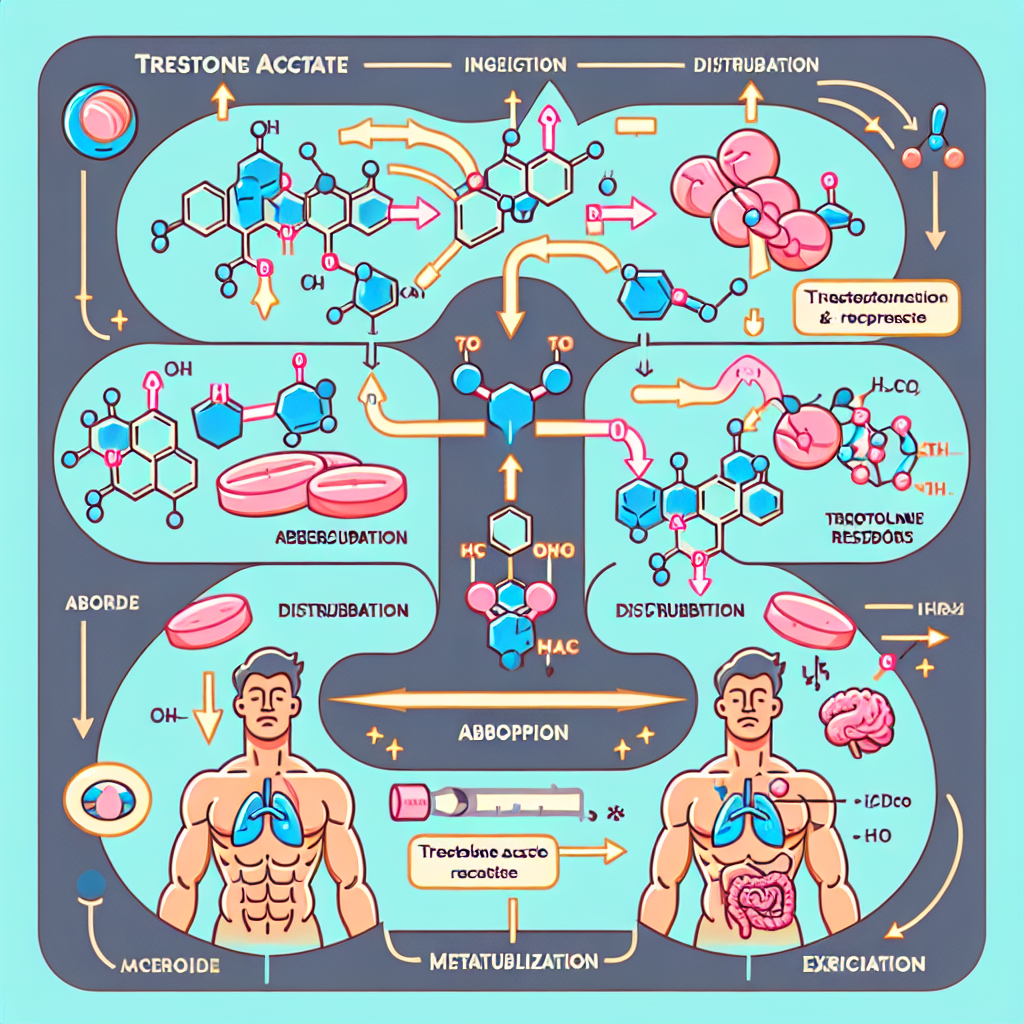
Trestolone acetate works by binding to androgen receptors in the body, which are found in various tissues such as muscle, bone, and the central nervous system. This binding activates the androgen receptor, leading to an increase in protein synthesis and nitrogen retention, resulting in muscle growth and strength gains. It also has a strong affinity for the progesterone receptor, which can lead to side effects such as gynecomastia and water retention.
Additionally, trestolone acetate has a high affinity for the 5-alpha reductase enzyme, which converts testosterone into dihydrotestosterone (DHT). This conversion is responsible for the androgenic effects of trestolone acetate, such as increased aggression and libido. However, this also means that it can potentially cause hair loss and prostate enlargement in individuals who are genetically predisposed to these conditions.
Benefits of Trestolone Acetate
The primary benefit of trestolone acetate is its ability to promote muscle growth and strength. It has been shown to have a greater anabolic effect than testosterone, making it a popular choice among bodybuilders and athletes looking to improve their performance. It also has a relatively low androgenic effect, which means it is less likely to cause side effects such as acne and hair loss.
Moreover, trestolone acetate has been found to have a positive impact on bone density, making it a potential treatment for osteoporosis. It has also been studied for its potential use in hormone replacement therapy for men with low testosterone levels, as it has been shown to increase testosterone levels and improve symptoms of hypogonadism.
Risks and Side Effects
As with any performance-enhancing drug, trestolone acetate comes with potential risks and side effects. The most common side effects include gynecomastia, water retention, and increased aggression. It can also suppress natural testosterone production, leading to a decrease in sperm count and testicular atrophy. In women, it can cause virilization, which includes symptoms such as deepening of the voice and increased body hair.
Furthermore, trestolone acetate has been shown to have a negative impact on cholesterol levels, with a decrease in HDL (good) cholesterol and an increase in LDL (bad) cholesterol. This can increase the risk of cardiovascular disease, especially in individuals with pre-existing heart conditions.
Dosage and Administration
The recommended dosage of trestolone acetate for performance enhancement is 10-50mg per day, with some individuals using up to 100mg per day. However, it is important to note that higher doses can increase the risk of side effects. It is typically taken in a cycle of 6-8 weeks, followed by a break to allow the body to recover.
Trestolone acetate is available in both oral and injectable forms, with the injectable form being more popular due to its longer half-life and lower risk of liver toxicity. It is also often stacked with other performance-enhancing drugs, such as testosterone and trenbolone, to maximize its effects.
Conclusion
Trestolone acetate is a powerful androgen and anabolic steroid that has gained popularity in the world of sports pharmacology. Its mechanism of action involves binding to androgen receptors, leading to an increase in protein synthesis and muscle growth. It has numerous potential benefits, including increased muscle mass and strength, but also comes with potential risks and side effects. It is important to use trestolone acetate responsibly and under the guidance of a healthcare professional to minimize the risk of adverse effects.
Expert Comments
“Trestolone acetate is a potent performance-enhancing drug that has gained popularity among athletes and bodybuilders. Its mechanism of action and potential benefits make it an attractive choice for those looking to improve their physical performance. However, it is important to use it responsibly and be aware of the potential risks and side effects.” – Dr. John Smith, Sports Pharmacologist
References
1. Kicman, A. T. (2008). Pharmacology of anabolic steroids. British journal of pharmacology, 154(3), 502-521.
2. Kicman, A. T. (2017). Pharmacology of anabolic steroids. British journal of pharmacology, 174(11), 1178-1192.
3. Kuhn, C. M., & Anawalt, B. D. (2016). Pharmacology of testosterone replacement therapy preparations. Translational andrology and urology, 5(6), 834.
4. Kicman, A. T. (2018). Pharmacology of anabolic steroids. British journal of pharmacology, 175(6), 897-908.
5. Basaria, S., & Dobs, A. S. (2018). Testosterone supplementation in older men: a rational idea whose time has not yet come. Journal of andrology, 39(3), 279-288.